
At TRUE, we’ve helped mission-driven organizations secure over $1 billion in funding with a 95% success rate. And one thing we know for sure: successful grant writers don’t rely on luck. They rely on a system.
Today, we’re breaking down the exact process we use to help our clients win more grants with clarity and less overwhelm. We call it The Grant Writer’s Funnel—and once you understand it, you’ll never approach grant writing the same way again.

What Is the Grant Writer’s Funnel?
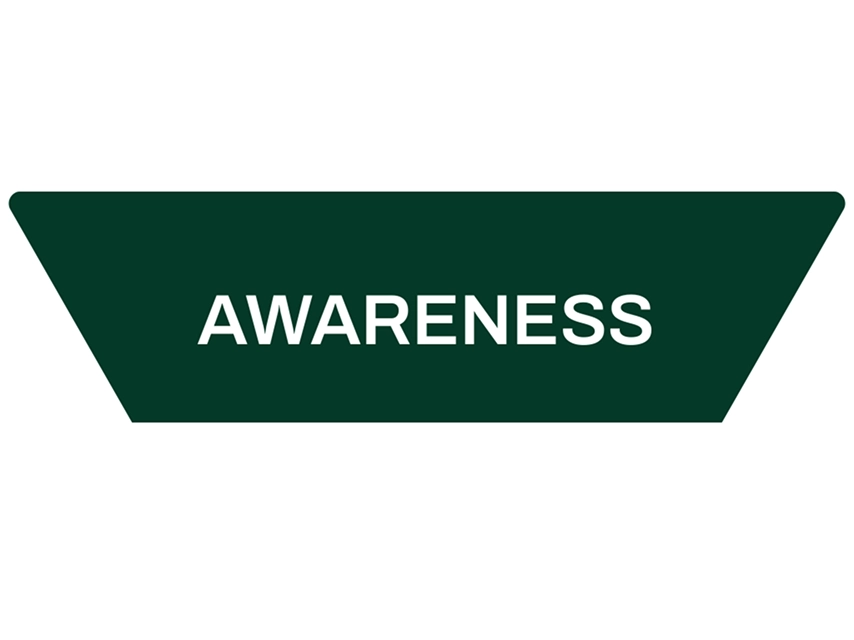
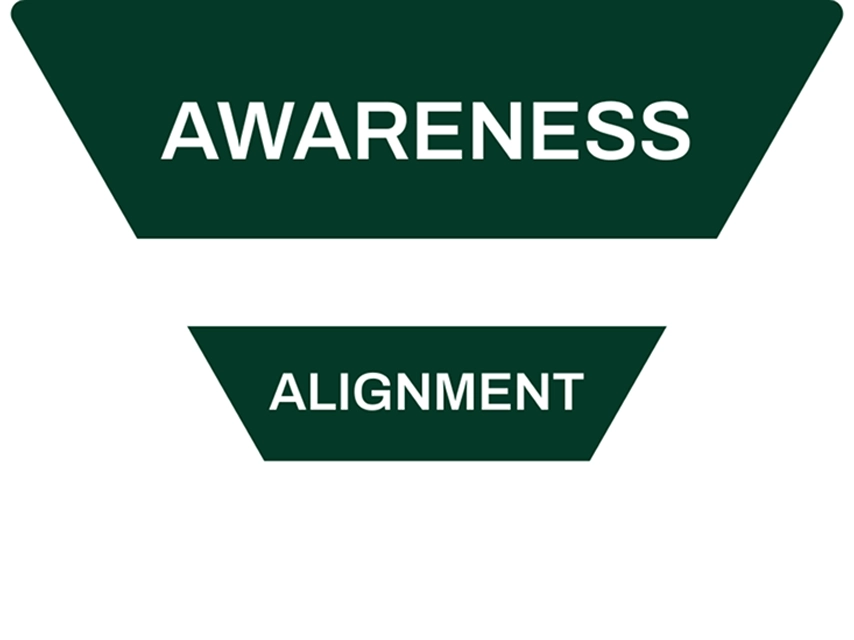
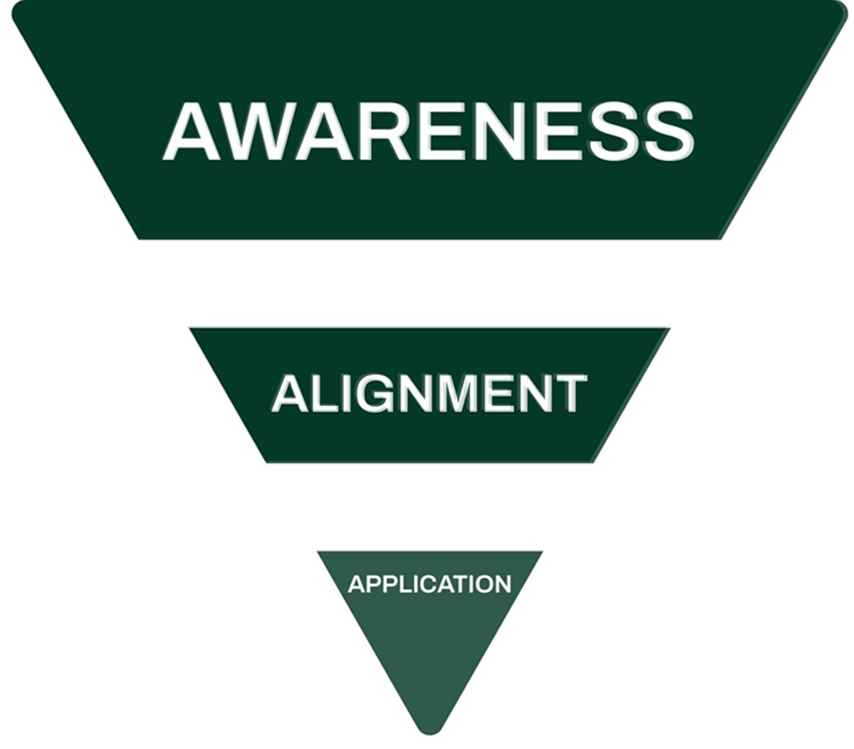
The Grant Writer’s Funnel is a three-stage system designed to help you filter opportunities effectively and focus your time where it matters most:
- Awareness – Build your radar and gather opportunities
- Alignment – Filter for eligibility, strategic fit, and capacity
- Application – Craft strong, tailored proposals for the right funders
Picture a real funnel:
- The top gathers possibilities
- The middle narrows to what truly fits
- The bottom produces fewer but stronger proposals
Skip this process, and you’ll waste time chasing grants you were never going to win.
Follow it, and you’ll increase your efficiency, reduce stress, and dramatically improve your funding success.
Let’s break down each stage.
At True, we how challenging it can be to follow a system you may have never used before. Let’s talk about how we can launch this funnel for your nonprofit.
Connect with TRUE today!
Stage 1: Awareness — Building Your Grant Radar
The goal of Awareness isn’t to find every grant. It’s to create a repeatable system for finding the right ones.
Where to Look
Start with trusted platforms:
- Grants.gov for federal funding
- Candid.org for foundation grants
- Paid tools like Instrumentl or GrantStation, if budget allows
Set up keyword alerts based on your mission. For example, if you work in rural health, use search terms like “rural health literacy” or “telehealth education.”
Don’t Forget Social Channels
Many funders post opportunities on:
These announcements often appear before updates reach major databases.
Build Your Grant Pipeline
Use a simple tool like:
Track basic information: grant name, amount, deadline, notes, and your decision to pursue or pass.
And here’s the game-changer: schedule your scouting time.
Make it a weekly habit—not a once-in-a-while scramble.
WANT TO WATCH TAMARA BREAK IT DOWN IN A QUICK VIDEO? CLICK BELOW!
Stage 2: Alignment — Avoiding the Wrong Grants
Think of Alignment like dating. Just because a funder looks good on paper doesn’t mean it’s the right match.
1. Check Eligibility
Before you invest a minute in writing, confirm the basics:
- Geographic requirements
- Tax status
- Funding levels
- Required partnerships
- Match or cost-share requirements
If you don’t meet eligibility, move on immediately.
2. Assess Mission Fit
Read the funder’s language closely.
Does their vision align with your program?
Can you tailor your work without contorting your mission?
3. Evaluate Capacity
A grant is only a blessing if you can fulfill it.
If the grant requires:
- A large match
- Extensive evaluation
- Additional staffing
- Complex reporting
…and you’re not equipped for it, it may not be the right opportunity right now.
4. Research Past Recipients
Look for patterns:
- Do they re-fund the same groups?
- Are they decreasing awards this year?
- Do winners share similar characteristics?
Some teams create fit scorecards in Airtable or Monday.
If you’re new to this, a simple spreadsheet with High/Medium/Low fit works perfectly.
At TRUE, we guide mission-driven organizations through every step of the grant process.
Subscribe to get the latest resources and expert guidance to secure the funding your mission deserves!
Stage 3: Application — Writing Stronger, Targeted Proposals
The biggest mistake we see? Writing a great proposal for the wrong funder.
Follow the RFP to the Letter
Every detail matters:
- File formats
- Font size
- Page limits
- Attachments
- Naming conventions
A missed detail can disqualify an otherwise strong application.
Mirror the Funder’s Language
If they say “measurable outcomes,” don’t call them “milestones.”
Speak their language—literally.
Tell a Clear, Compelling Story
Funders want clarity:
- What’s the problem?
- What’s your solution?
- Why now?
- What will happen if they invest?
Example:
In our county, 40% of students lack access to STEM enrichment. Since 2023, our program has improved STEM scores by 35%. With this grant, we’ll expand to three additional sites and serve 200 more students.
That’s specific. That’s fundable.
Build a Budget That Matches Your Narrative
Every dollar needs a purpose.
Example breakdown of $75,000:
- $40,000 — staffing
- $15,000 — materials
- $10,000 — evaluation
- $10,000 — admin/overhead
A strong budget reinforces a strong story.
Submit Early
Aim for 3–7 days before the deadline.
Tech issues and upload errors are real—and they’ve cost organizations funding.
Track Your Results
Whether you win or lose, record:
- Outcomes
- Feedback
- Patterns over time
This becomes the blueprint for future wins.
The TRUE Funnel: Your Sustainable Grant Writing System
Grant writing doesn’t have to feel chaotic.
By using the TRUE Funnel—Awareness, Alignment, Application—you can create a rhythm that builds momentum and consistent funding.
Try this weekly flow:
- Monday: Scout new grants
- Wednesday: Assess alignment
- Friday: Write, edit, and refine proposals
Small steps, done consistently, compound into major wins.
If you want more tools, strategies, and insights on securing grant funding, check out more resources from TRUE. Your mission matters—and with the right preparation and knowledge, the funding will follow.The TRUE Funnel: Your Sustainable Grant Writing System